Attorneys Insurance MutualSep 82 min readAsk the Underwriter: I do not understand what “inside” versus “outside” means on my quote. Can you explain the difference?
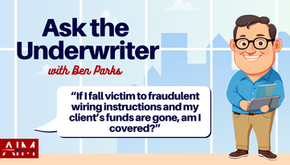
Attorneys Insurance MutualMay 263 min readAsk the Underwriter: Wire Fraud, Real Estate Closings, and the Limits of Professional Liability Coverage
Attorneys Insurance MutualApr 211 min readAsk the Underwriter: I let my policy lapse, but I have a claim being asserted against me from a time when I had a policy. Do I have coverage for this matter?
Attorneys Insurance MutualMar 241 min readAsk the Underwriter: I think I may have an issue. When do I need to report it to AIM?
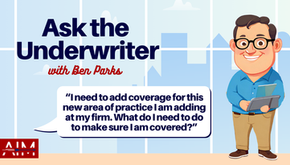
Attorneys Insurance MutualFeb 92 min readAsk the Underwriter: I need to add coverage for this new area of practice I'm adding at my firm. What do I need to do to make sure I'm covered?
Attorneys Insurance MutualJan 73 min readAsk the Underwriter: What are some practical steps to reduce the risk of wire fraud in my real estate closing practice?
Attorneys Insurance MutualNov 17, 20252 min readAsk the Underwriter: How Do You Know if Tail Coverage Is Right for You?
Attorneys Insurance MutualOct 27, 20251 min readAsk the Underwriter: Are You Covered for a Data or Security Breach?
Attorneys Insurance MutualSep 18, 20252 min readAsk the Underwriter: What is the separate optional quote for “Outside” coverage?
Attorneys Insurance MutualJul 31, 20252 min readAsk the Underwriter: What Exactly Is Lawyers Malpractice Insurance and How Does It Work?
Attorneys Insurance MutualApr 28, 20252 min readAsk the Underwriter: What can I do to protect my firm from wire fraud?
Attorneys Insurance MutualDec 18, 20242 min readAsk the Underwriter: A lawyer is leaving my firm. What do I do about coverage?
Attorneys Insurance MutualNov 25, 20242 min readAsk the Underwriter: What are your tips for young lawyers on avoiding problems?
Attorneys Insurance MutualOct 25, 20242 min readAsk the Underwriter: How do I add coverage to my policy?
Attorneys Insurance MutualSep 30, 20242 min readAsk the Underwriter: I need to remove a lawyer from my firm’s policy. Will there be any return of premium?
Attorneys Insurance MutualAug 27, 20242 min readAsk the Underwriter: Why does AIM ask me about engagement letters in my application?